Desexing and Dental Surgery With Veterinary Surgeons: What Pet Owners Need to Know
Desexing and dental surgery are two of the most common procedures that veterinary surgeons perform. Understanding how they work can help pet owners in Fairfield, NSW, feel more prepared when the time comes.
What Happens During Desexing Surgery?
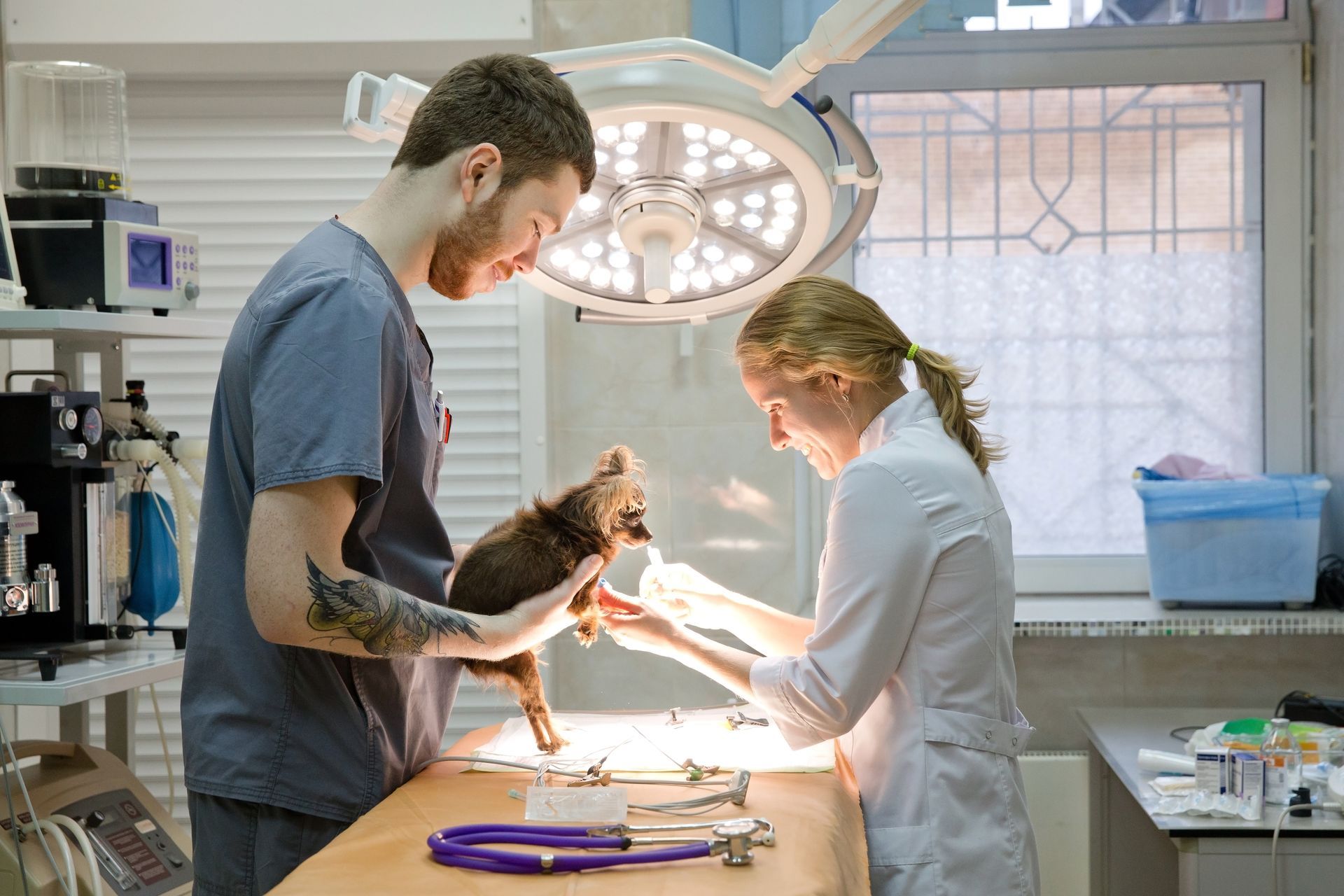
Desexing is a routine surgical procedure performed under general anaesthesia. Your pet is typically admitted in the morning and goes home the same day.
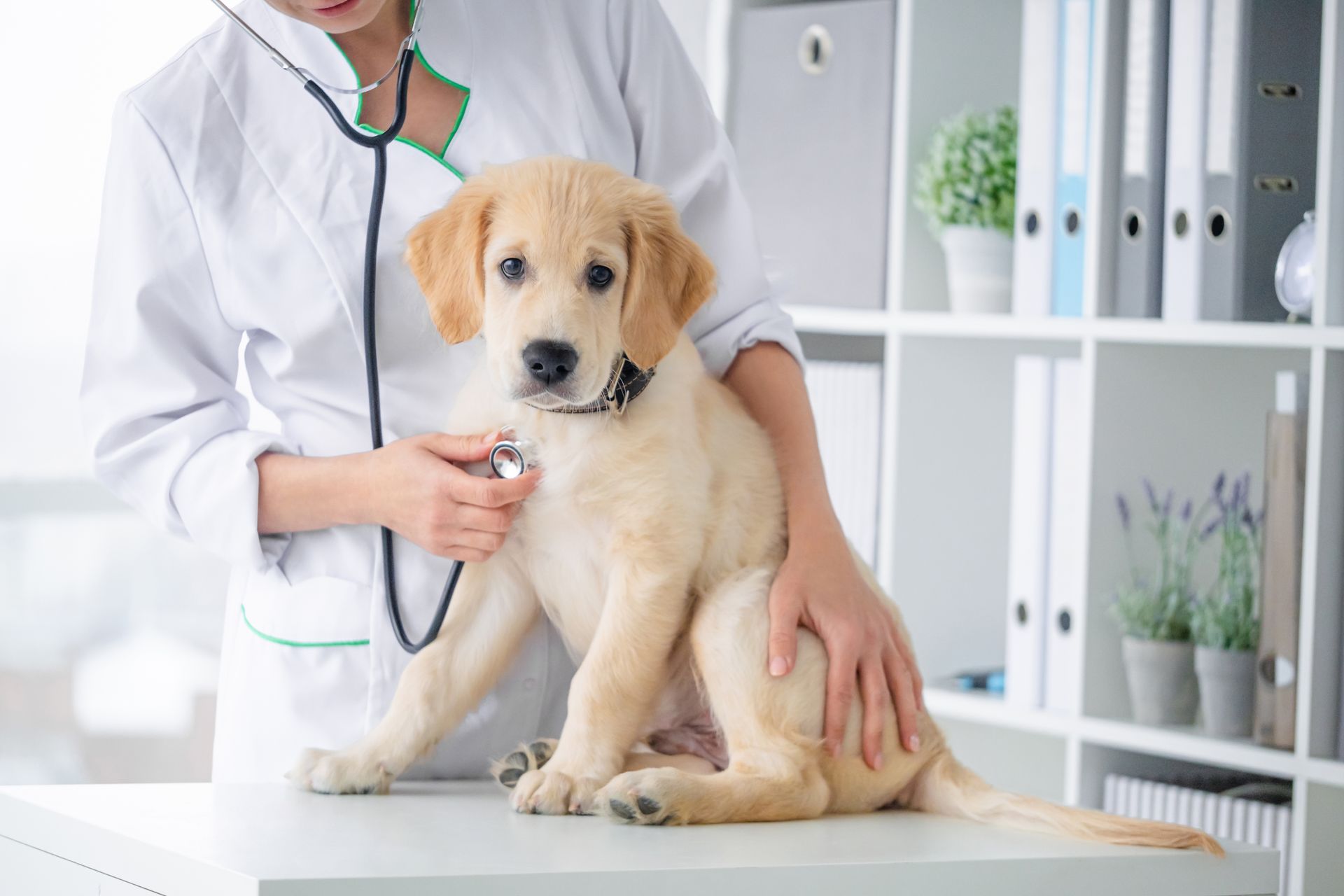
Before surgery, your vet will conduct a pre-operative health check to confirm your pet is well enough for anaesthesia. Your pet must fast from midnight the night before to reduce anaesthetic risk. The procedure removes the reproductive organs: ovaries and uterus in females (a spey), or the testes in males (a castration).
Recovery takes around one to two weeks. Keep your pet calm, restrict activity, and prevent them from licking the wound. A protective cone helps with this.
Benefits of desexing may include:
- Preventing unwanted pregnancies and heat cycles in females.
- Reducing the risk of mammary tumours and uterine infections such as pyometra.
- Lowering the risk of prostate disease in male dogs.
- Reducing council registration fees in many NSW local government areas.
In NSW, dog castrations range from $380 to $620, while a dog spey may range from $510 to $1,070 depending on size, age, and clinic. Desexing is generally excluded from standard pet insurance policies, so budgeting in advance is worthwhile.
Are Veterinary Surgeons in NSW Regulated?
Yes. In NSW, veterinary surgeons must be registered with the Veterinary Practitioners Board of NSW under the Veterinary Practice Act 2003. Premises where procedures requiring general anaesthesia are performed must be licensed as a veterinary hospital and managed by a registered veterinarian.
Pet owners across Fairfield, Wetherill Park, Smithfield, and Fairfield West can ask their vet to confirm their registration status and hospital licence before booking any surgical procedure.
What Age Should I Desex My Pet?
Most vets recommend desexing dogs at around five to six months and cats at four months, though breed and health may affect timing.
Will My Pet Need a Blood Test Before Surgery?
Pre-anaesthetic blood tests are often recommended, especially for older pets, to identify health issues that could affect anaesthetic response.
Is Pet Insurance Worth It for These Procedures?
Policies vary widely. Dental injuries may be covered, routine care often requires an add-on, and desexing is generally excluded.
Book a Surgery Consultation Today
Veterinary surgeons serving Fairfield, NSW, can help you navigate both desexing and dental procedures with confidence.
Wakeley Veterinary Hospital has been caring for pets across the Fairfield region for over 30 years, with clinics in Fairfield West, Wetherill Park, Ashcroft, and Wakeley. Call the team on
02 9609 7966
or
contact us online
to book a pre-surgical consultation.